
Category: Drugs Facts

  • Cannabis: The Hype, The Lies and The Influence

    Cannabis: The Hype, The Lies and The Influence

    [TLDR: Discover how savvy marketing, profit-driven industries, and celebrity endorsements have transformed cannabis from a criminal taboo into a celebrated cultural trend in parts of the world. Behind the hype lies a hidden cost — know the facts, stay sharp, stay uninfluenced.]

    Photo taken by Alex Ware on Unsplashed

    The Creeping Influence of Pro-Cannabis Narratives
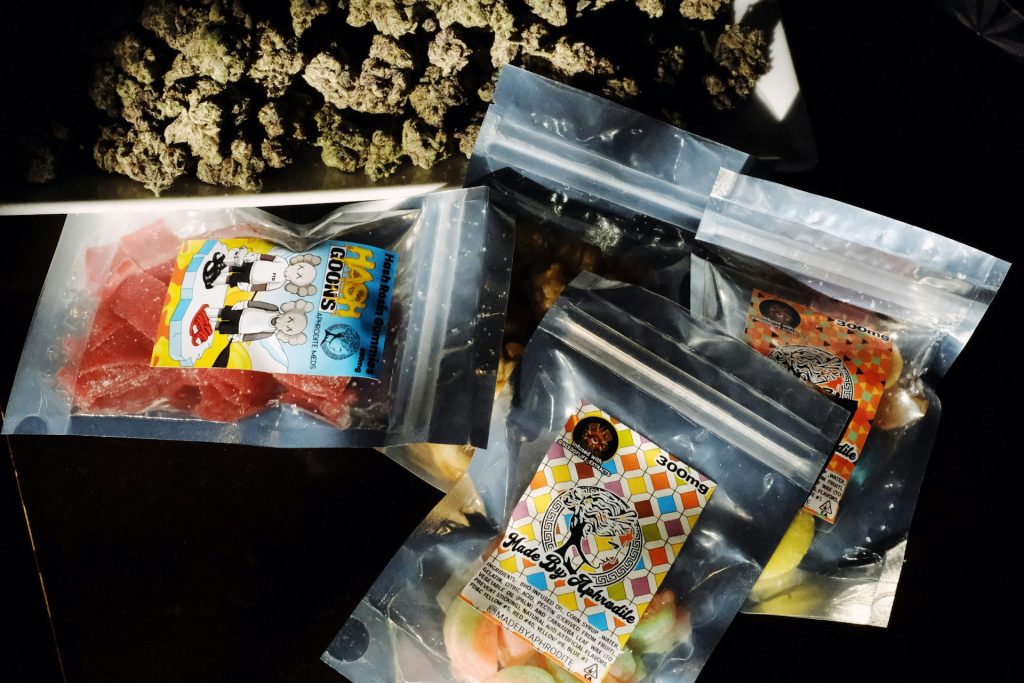
    Have you noticed how casually the words “weed” or “marijuana” are thrown around these days? Pop culture has normalised cannabis abuse through  the songs we hear, the movies we watch and even the  celebrities we idolise.1 What’s less visible is the calculated industry effort behind this normalisation – cannabis has been rebranded as a “sophisticated” lifestyle choice through clever marketing, using food and flavour-inspired references to promote positive sensations.2 These are just some examples of carefully crafted messaging to distance cannabis from its harmful reality. 

    As neighbouring countries decriminalise cannabis abuse, many might start thinking, “It’s not such a big deal, right?”

    But here’s the truth: the cultural normalisation of cannabis is causing a serious impact – it is changing our views on drugs. Despite Singapore’s stringent drug laws, young people below 30 continue to form the largest proportion among both total cannabis abusers arrested and new cannabis abusers arrested at 49% and 57%, respectively.3 

    The Truth About Cannabis

    Photo taken by Eugene Golovesov on Pexels

    Abusing cannabis has real costs that go beyond just the purchase price.  

    In the short term, cannabis can cause impaired learning, memory loss, shortened attention, poor motor coordination, and risky decision-making.4 These aren’t just minor effects – they interfere with our ability to think, plan, and solve problems.5 And the potential collateral damage caused by impaired cognitive function? Think derailed educational and career opportunities, among others. 

    Over time, these effects worsen. Drug abuse has long-term consequences that extend far beyond the individual, and can cause emotional and social fallout.6 

    “(Referring to the ease of relapse) Just a small temptation, a sneaky opportunity, a brief moment of weakness and everything you have worked hard for would have gone down the drain. The battle is ongoing, a lifelong commitment to staying clean,” said Dr. (HC) Riduan Ishak. “Never start,” he advised.7 

    Contrary to popular narratives, cannabis is not the wellness wonder you’re told of. Despite what is being pushed in the media, the scientific evidence supporting claims of cannabis for medical use currently remains limited and inconclusive.8

    Stay Informed, Stay Uninfluenced

    As pro-cannabis narratives continue to grow louder, it’s easy to start wondering, “Maybe cannabis is different… maybe it’s not as harmful as they say.” But that’s exactly what the marketing wants you to believe.

    Let’s learn to recognise the influences surrounding us and rethink the narratives we consume. 

    Reference articles:
    1 How cannabis and alt beverage brands can thrive despite marketing hurdles
    2 Marijuana ads are enticing kids to try weed, study says
    3 Singapore Drug Situation Report 2024
    4 Cannabis and Brain Health
    5 Using marijuana may affect your ability to think and plan, study says
    Families, loved ones of drug abusers suffer from emotional, social fallout of addiction: Social workers
    7 Our Flawed Journeys by Architects of Life
    8 Heart of the Matter podcast: Unpacking young people’s misperceptions about cannabis

  • The Unfiltered Truth on Drugs: 3 Lies About Drug Abuse  

    The Unfiltered Truth on Drugs: 3 Lies About Drug Abuse  

    [TL;DR: Could drug abuse ever be okay? Think again.
    We break down three common misconceptions about drugs that surround us today, revealing how the drug industry targets us and uses sophisticated marketing to normalise harmful substances. Understanding these tactics helps you stay uninfluenced and see the real facts when it comes to drugs.] 

    Person using smartphone
    Photo taken by Rob Hampson on Unsplash

    You probably have encountered mixed messages about drugs online, in the media you consume, or even through conversations with friends. As drug legalisation spreads globally and marketing becomes increasingly sophisticated, it is harder than ever to separate fact from fiction. Drug companies and their advocates know this, and are specifically targeting younger consumers.

    Let’s expose three common lies about drugs that are being pushed through clever marketing, social pressure and misinformation.

    Myth #01: “It’s Fine As Long As You Don’t Overdo It”

    It’s fine as long as you don’t overdo it.

    or

    Some drugs aren’t harmful, they can actually be beneficial.

    If you search the terms “raw cannabis” or “microdosing psychedelics” online today, you may find many articles that promote such views. Some are even disguised as wellness or lifestyle content.

    However, this contradicts scientific research that consistently show that any form of cannabis has impact on health and well-being – from impairing attention, memory and decision-making to affecting cognitive function, which increases the risk of accidents and harm.1, 2 

    The notion that “just trying it once” is harmless oversimplifies addiction, which can develop unpredictably based on factors like genetics, mental health, and trauma.

    Silhouette of 2 Person Standing in Front of White and Black Stripe Wall
    Photo taken by Cottonbro Studio on Pexels

    Myth #02: “My Body, My Choice”

    “My body, my choice” is a common refrain. It frames drug abuse as a matter of personal choice and liberty. But this framing ignores how our decisions are shaped by powerful commercial interests that profit from individualistic messaging while downplaying societal impacts. Behind the “freedom of choice” narrative lies sophisticated cultural shifts that have redefined recreational drug use as progressive and open-minded, making those who question these norms feel judgmental or outdated.

    What’s rarely discussed is how privilege can shape these “personal” choices. Those with economic advantages, supportive families, and access to healthcare often approach drug experimentation with a false sense of immunity to consequences. This privileged perspective ignores how their choices influence others—especially peers with fewer resources, unstable home environments, or existing mental health challenges who may face far more severe consequences for the same choices.

    So, is drug abuse truly a “personal choice”? Your social circles can gradually normalise behaviours you once rejected, while your “personal” choices can become the justification for others to make potentially more harmful decisions in different circumstances.

    Myth #03: “If It’s Legal, It Must Be Okay”

    As more countries legalise drugs, a dangerous perception grows with the phenomenon: if it’s legal, it can’t be that harmful. This again is an oversimplification that ignores the complex factors behind legalisation decisions and the mounting evidence of negative consequences.

    What’s driving legalisation isn’t purely public safety but profit. And cannabis firms are taking pages directly from the Big  Tobacco marketing playbook to hook young consumers. For example, in 2018 alone, North America’s cannabis industry spent US$661 million on marketing campaigns and spends are projected to increase to 3.89 bn 10 years later.3

    Behind the scenes in America, power brokers have marketed marijuana as a cure-all to shape public perception, paving the way for widespread acceptance and profitable growth of the recreational cannabis market.4 Furthermore, the utilisation of social media and influencers to promote their products to young, impressionable audiences, makes cannabis increasingly enticing.4

    Countries that have legalised drugs often experience devastating societal impacts. In the United States, which was one of the first countries to legalise cannabis, research shows negative impacts on adolescent health alongside increased healthcare and social costs.

    Navigating a Complex World of Influences

    Your future is worth protecting. By understanding the tactics used to market and normalise drugs, you gain the power to make truly informed decisions based on facts. Stay curious, question what you see, and choose a path that genuinely serves your well-being and goals.

    Reference articles:
    1  Alcohol, Drugs and Addictive Behaviours
    2  Cannabis Health Effects
    3 Cannabis ad spending in North America 2018-2030
    4 Smokescreen: What the marijuana industry doesn’t want you to know” By Kevin A Sabet, President and CEO of Smart Approaches to Marijuana (SAM) and Foundation for Drug Policy Solutions (FDPS)