Blog

  • Selling the High: Celebrity Power and the Commercial Normalisation of Drugs

    Selling the High: Celebrity Power and the Commercial Normalisation of Drugs

    [TLDR: Celebrity-backed marketing makes drugs feel trendy, desirable, and “wellness-adjacent.” Star power represents the extreme end of how some voices carry disproportionate influence – a dynamic that exists in all social contexts but reaches massive scale through fame and cultural authority. It’s a reminder to see past the hype and consider the real risks.]

    (Photo taken by Maurício Mascaro on Pexels)

    In recent years, the way society talks about drugs has shifted. Substances once viewed with caution are increasingly framed as lifestyle choices, wellness tools, or even creative enhancers. This change did not happen by accident. Sophisticated marketing tactics now play a major role in reshaping public perception, softening skepticism and lowering people’s guard. From the alluring presentation of “wellness” or “natural” solutions such as Ketamine Therapy1 to the normalisation of substances through appealing products and packaging like Cannabis-infused brownies or LSD gummies, drugs are being presented in ways that feel approachable.

    Among all these tactics, one force stands out for its cultural reach and persuasive power: celebrity influence. Whether as endorsers, entrepreneurs, or outspoken advocates, celebrities have influential power on how drug-related products and narratives are sold to the public. As endorsers, they lend credibility, visibility, and social capital, making substances that are essentially illicit drugs feel more trustworthy. Others go further, launching and profiting from their own drug-related brands and ventures.

    At the same time, some celebrities use their platforms to promote sobriety and recovery, underscoring that fame itself is not the issue. Rather, it is how influence is wielded, and to what end.

    The Undeniable Sway of Celebrity Influence
    (Photo taken by Logan Weaver on Unsplash)

    The power of influence becomes more complex when we recognise that some voices carry far more weight than others, whether through charisma, social status, or cultural authority. As we all know, celebrities hold outsized power over public attitudes: their personal choices and endorsements do more than set trends – they rapidly normalise behaviour. A single appearance or mention can spark mass adoption; case in point, the global Labubu craze effectively kickstarted by Lisa from BLACKPINK.

    The same dynamic applies when celebrities are seen consuming, promoting or profiting from drugs or drug-adjacent products. Their involvement doesn’t merely raise awareness, but reframes these substances as socially desirable, and even aspirational. What might otherwise be usually met with caution is easily absorbed into mainstream culture when familiarity and star power enters the chat.

    This becomes especially concerning when celebrities promote drugs or uncertified “wellness” products, prioritising personal anecdotes over scientific evidence. When commercial interest (i.e. profit-driven ventures) is the primary motive, audiences are only provided an incomplete (and often overly optimistic) picture through the selective framing of potential risks.

    Although businesses still weigh ethical considerations against commercial interests, business ethics across industries continue to evolve over time. As ideas and cultural attitudes travel more quickly in an increasingly globalised world, they also shape how companies approach these decisions.

    The “Natural” Narrative

    One of the sneakiest ways drugs are slowly becoming more accepted in society is how they’re rebranded as “natural” wellness products. Labels like “holistic,” “organic,” or “plant-based” create an illusion of safety, and celebrity endorsement adds aspirational branding that makes people less worried about the dangers of drugs.

    We see this happening all the time. Celebrities are launching their own “wellness brands”, which include selling CBD oils, tinctures, or edibles that are marketed as “natural” remedies for anxiety, pain or sleep. For example, Bella Thorne’s Forbidden Flowers2 openly endorses cannabis as something that women love and enjoy because of its ability to “soothe stress” and “channel a cascade of creativity”.

    Others are also getting into psychedelic therapies, promoting therapeutic or consciousness-expanding benefits. A prime example is Mike Tyson, who credits psychedelic experiences, which includes smoking a drug derived from toad venom (5-MeO-DMT), for his personal growth and remarkable return to boxing.3

    Familiarity, Fame, and the Double-Edged Influence of Celebrity

    Beyond the branding and “wellness” positioning, celebrities also use formats that are already familiar and comforting to us. Potent substances are presented in everyday, palatable forms – gummies, chocolates, baked goods – designed to feel indulgent rather than dangerous.

    Brands such as Snoop Dogg’s cannabis ventures4 lean heavily into this strategy, pairing gourmet presentation with pop culture familiarity. The result is a product that feels approachable, even playful, reducing psychological barriers to purchase and use. When drugs no longer look or feel like drugs, consumers are more likely to underestimate their strength, risks, or addictive potential.

    However, there is also a powerful flip side: celebrities can also use their platforms positively, advocating against drug abuse and promoting sober, healthy lifestyles. For example, Eminem recently released a documentary, STANS, where he openly reflected on his life-changing journey of more than 17 years of sobriety.5 This transparency from a global icon offers hope and guidance to individuals who are struggling with addiction while providing a sobering reality check for anyone tempted to experiment with drugs.

    The Need for Scrutiny

    Celebrities play a powerful role in shaping drug perception not just as endorsers, but increasingly as business owners with financial stake in the products they promote. This allows substances to be framed as credible, desirable and low-risk, especially when presented as part of a lifestyle or wellness routine.

    Yet the reality is that their privileged positions afford them safety nets that average customers don’t have (think immediate access to premium healthcare, private rehabilitation and legal resources), allowing them to take risks with fewer consequences. This privilege gap makes critical evaluation essential when assessing celebrity-endorsed products.

    As drugs are increasingly sold through star power and lifestyle branding, we must look beyond the gloss and ask harder questions. Popularity and profit should not be the loudest signals guiding public perception but instead, an ethical responsibility to influence for the greater good. As the saying goes, with great power comes great responsibility.


    Reference articles:
    1Ketamine therapy is going mainstream due to The Secret Lives of Mormon Wives, but what actually is it?, Glamour
    2Bella Thorne Talks Cannabis: ‘Forbidden Flowers Is My Baby’, Forbes
    3100 Most Influential People in Psychedelics by Marik Hazan, Medium
    4Behind The Brand: Leafs by Snoop, Herb
    5Eminem Got Sober 17 Years Ago After Realizing ‘I’m Going to Die If I Don’t Do Something’, People
  • What History Tells Us About Staying Uninfluenced

    What History Tells Us About Staying Uninfluenced

    [TLDR: How do habits and ideas become “normal”? Singapore’s early experience with opium shows how trade, colonial policy, and social pressures once turned a substance into a widespread habit – with devastating consequences. Today, ‘vehicles of influence’ – from viral trends to celebrity endorsements to wellness marketing – work similarly but at a speed way deadlier than ever before. Understanding how influence operates historically helps us recognise and resist it today.]

    sg in the past
    (Photo taken by sephylmism on Pexels)

    Think about how certain habits or trends can start to feel normal over time. Blind boxes, for instance, have surged in popularity in recent years – with people chasing rare figures, sharing unboxing videos online and what once felt novel gradually becoming a familiar part of the shopping experience.

    While these trends are usually harmless, they reveal a societal phenomenon that deserves deeper thought: what we see around us – trends, culture and social cues – can quietly shape what people come to see as normal. Not always through deliberate choice, but because wider forces gradually make them feel socially acceptable. The “six seven” trend exemplifies this perfectly – a meaningless phrase that went viral worldwide, adopted by countless users who couldn’t even explain what it meant.

    Similarly, Singapore’s early history with opium shows how these forces once operated on a much larger and more dangerous scale. The widespread abuse of opium was not simply about individual addiction, but the product of social acceptance, economic interests and policies that made opium smoking a normalised part of everyday community life.


    How Social Life and Economic Interests Normalised Opium in Early Singapore

    In the 19th and early 20th centuries, opium was deeply woven into daily life across many parts of Asia, including Singapore. At the time, it was not always viewed as a dangerous drug. Some doctors even believed it to have medicinal value and in treating pain or ailments like malaria.1

    Opium smoking also became tied to social life. Opium dens were more than just dens of vice, they were social spaces where abusers bonded over their shared addiction, creating communities that normalised opium smoking through collective participation. This social dimension transformed individual vice into accepted group behaviour.

    Acceptance was also reinforced by external forces. During the colonial era, the opium trade was systemically integrated into the local economy due to its significant revenue generation, accounting for 59% of the Straits Settlements’ total income in 1904.2 This financial stake gave the administration every incentive to normalise and expand opium abuse, prioritising economic interests over the devastating human cost of leveraging public health for revenue.

    The Cost of Normalisation

    As opium abuse spread, its consequences became increasingly clear.

    Across communities, addiction led to serious health problems, financial hardship and family breakdown. Where opium became deeply embedded in society, the social consequences were severe – patterns that remain familiar in societies grappling with drug abuse today.

    So how did things turn around? As the damage became impossible to ignore, efforts began to push back against the widespread use of opium. In 1906, the Anti-Opium Society was formed to educate the public about the drug’s harms and advocate for reform.3 Over time, stricter regulations were introduced, culminating in a full ban on opium in 1946.

    But ending the opium trade did not mean the problem disappeared overnight. Some opium abusers continued feeding their addiction with drugs such as cannabis, morphine and heroin, eventually resulting in a heroin “epidemic” by the late 1970s.

    The persistence of drug abuse highlighted how difficult it can be to dismantle deeply entrenched habits and illicit markets. This eventually led to the establishment of the Central Narcotics Bureau (CNB), a drug enforcement agency dedicated to tackle both the demand and supply of drugs.5 The arduous journey of dismantling this entrenched system was foundational in building the societal resilience that characterises Singapore’s stance on drugs today.

    Modern Whispers: New Forms of Influence

    holding phone
    (Photo taken by SHVETS production on Pexels)

    Today, the world looks very different from the opium era. But the way influence spreads through society withstands the test of time.

    Digital platforms now allow trends and ideas to travel faster than ever before. Social media content can shape perceptions, spark curiosity or subtly influence how people think about certain behaviours.

    At the same time, developments overseas can also shape conversations at home. In recent years, some countries have legalised drugs such as cannabis, while others have explored the medical use of psychedelic substances. These discussions often take place within specific legal or medical contexts. But online, messages can sometimes travel without that full context. Simplified or sensationalised narratives may make certain substances appear less harmful than they really are.

    Just as opium was once promoted for its supposed medicinal benefits, modern narratives about drugs can also shape perceptions in ways that make them appear less harmful or more socially acceptable. Likewise, the colonial government’s economic interests in the opium trade mirrors how commercial interests today – from the global cannabis industry to wellness brands marketing unregulated products – can shape how drugs are discussed and perceived.

    Our Collective Shield

    Singapore’s history with opium reminds us that harmful behaviours rarely become widespread overnight. They take root gradually, shaped by culture, economics, social influence and repeated exposure. What begins as something unusual can slowly start to feel normal.

    Looking back, the consequences of opium are clear. But at the time, its widespread acceptance developed quietly, often before people fully understood the damage it would cause. Today, influence moves faster than ever. Trends travel across borders in seconds, and ideas that originate elsewhere can quickly shape perceptions here.

    That is why awareness matters. Staying uninfluenced does not mean ignoring the world around us, but recognising how trends, narratives and peer pressure can shape perceptions. Hindsight is always 20/20. But having a community that pays attention to warning signs that could cause rapid social harm? That’s the kind of early intervention that’s worth the collective effort.

    Reference articles:
    1Opium’s History in China, JSTOR Daily
    2Exploring constructions of the “drug problem” in historical and contemporary Singapore. New Zealand Journal of Asian Studies
    3One hundred years’ history of the Chinese in Singapore. J. Murray.
    4Opium and its history in Singapore, Singapore Infopedia, National Library Board Singapore 
    5Formation of Central Narcotics Bureau (CNB), SG101
  • When “Doing It Together” Starts Doing the Thinking for You

    When “Doing It Together” Starts Doing the Thinking for You

    [TLDR:  Shared experiences are powerful. They bond us, define our friendships, and help us feel like we belong. But when the desire to experience something together outweighs rational consideration, our judgement can blur, especially when everyone else seems on board. We start to rationalise risky activities because the group’s collective participation makes them feel safer than they actually are, while creating stronger bonds through shared risk-taking. The question is: when does belonging start costing more than it’s worth and how do we still find our own voice and place within the group?]

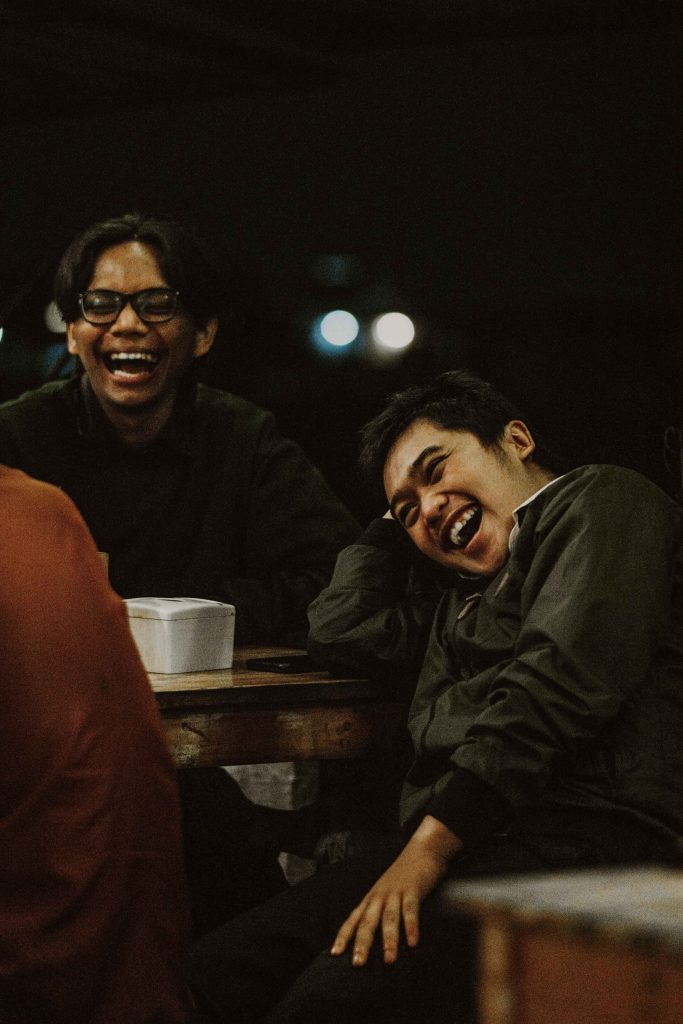
    (Photo taken by César Couto on Unsplash)

    Why Shared Experiences Matter So Much

    From binge-watching the same show, travelling together, joining the same co-curricular activities (CCAs), to chasing the same trends – shared experiences are social glue. They give us inside jokes, common memories, and a sense of “this is who we are.”

    It’s no accident as our brains are wired this way. Psychologically, shared experiences are crucial for forming our identity and sense of belonging. In fact, a MIT study found that we crave social interactions in the same brain regions where we crave food, and another study showed that social exclusion lights up the same brain areas associated with physical pain.1

    This desire to belong feels especially essential during our teens and twenties. A study found that adolescents, especially early adolescents, adjust judgments about risk more to match the opinions of peers than adults, suggesting that the desire to align with peers can shape decisions and may increase susceptibility to risky behaviour.2

    Saying “yes” often feels easier than being the one who opts out. And most of the time, that’s harmless. Until it isn’t.

    When “Everyone’s Doing It’ Becomes the Point

    Sometimes, the experience itself matters less than the fact that it’s shared. We see this play out in many ways:

    • Orientation camps where hazing is framed as a rite of passage to “earn your place” in a group
    • Friend groups normalising unhealthy behaviour as part of group identity or a “character-building arc”
    • Overseas trips or exchange programmes where “freedom” becomes synonymous with being indiscriminately open to all kinds of experiences – because that’s what people do there

    In online spaces too, these narratives are reinforced. Digital validation creates a feedback loop: the more these stories are shared and celebrated online, the more they are normalised as “expected milestones” rather than a matter of personal choice.

    How Risks Gets Rebranded as a Shared Moment

    (Photo taken by lukas arianto on Pexels)

    This is where influence gets subtle. Within a group, risk is rarely presented as risk at all. Instead, it is softened, reframed, and redistributed until it feels almost manageable.

    Social proof plays a central role: when “so many people have done it and they’re fine,” danger feels theoretical rather than real. Collective reassurance follows closely behind: “We’re all in this together, nothing will happen!” – creating a sense that safety comes from numbers, not choices. The act itself is then reframed, shifting focus away from the substance or behaviour and toward the experience. People around you can say it’s not about what’s being taken, but about who you’re with and the memories you’re making. Even the language changes. What might objectively be drug abuse becomes “just experimenting,” “just once,” or “all in the name of fun,” stripping away the danger of engaging in such risky behaviour through softer, more playful words.

    When doubts surface in these moments, they are rarely met with facts or critical discussion. Instead, they are smoothed over with a promise of belonging.

    The time and place of these conversations also play a huge role. When these conversations happen in casual, high-energy, or socially charged moments, risk feels lower – not because it is, but because responsibility is shared. Saying no can feel like breaking the shared story everyone else is excited to tell. And in those moments, the fear of social disconnection often outweighs the perceived risk itself.

    Learning to Spot Influence

    The truth is, we cannot and don’t need to fight the desire for shared experiences.

    What matters is learning to pause and recognise when that desire is being manipulated by checking in with yourself:

    • “Am I genuinely excited about this experience, or am I just afraid of feeling left out?”
    • “Are risks being joked away or properly acknowledged?”
    • “If something goes wrong tonight, will I be able to live with my role in encouraging this?”
    • “Is anyone in our group feeling pressured to prove something right now?”

    Influence doesn’t always shout. Sometimes it shows up as laughter, reassurance, or a simple “don’t be so uptight.” Recognising it doesn’t make you difficult, it makes you aware.

    Redefining What We Choose to Share

    Shared experiences are powerful. That’s exactly why they deserve more thought, not less. TikTok culture glorifies “exercising free will to the fullest” to rationalise making questionable decisions while fully aware that they’re questionable. We should ask: are we exercising genuine free will here, or just following a script that the culture of the day has fashioned for us?

    When friends truly look out for one another, belonging isn’t about going along, but about speaking up, redirecting negative influence, and choosing what’s best for the group.

    We can still travel, explore, and grow together while shaping moments that create connection without unnecessary risk. When each person actively participates in the thinking, using our influence to foster positive social norms, shared experiences reinforce strong values, strengthen the group, and build genuine bonds that last.

    Reference articles:
    1Missing Your People: Why Belonging Is So Important And How To Create It
    2Social Influence on Risk Perception During Adolescence

  • “Soft” Drugs don’t mean Safe, the Label is Cultural, not Scientific

    “Soft” Drugs don’t mean Safe, the Label is Cultural, not Scientific

    [TLDR:  Popular culture often divides drugs into “soft” and “hard”, framing some substances as casual or low-risk and others as dangerous and life-altering. However, this binary is not rooted in science. It is a cultural construct shaped by media portrayals, legal frameworks, and social narratives – and it can downplay real harm.]

    (Photo taken by Nastya Dulhiier on Unsplash)

    How Culture Forged the “Soft vs. Hard” Divide

    The notion that some drugs are inherently “soft” or less harmful emerged more from society than from pharmacology.

    Drugs commonly labelled as “soft”, such as cannabis, ketamine, or certain psychedelics, are often portrayed as harmless, natural, or medicinal. They appear in films, memes, and everyday language as stress-relievers or lifestyle accessories, making references to drug abuse feel casual and easy to dismiss. Pop culture plays a powerful role in this normalisation. In Stranger Things Season 4, for instance, a fictional cannabis strain called “Purple Palm Tree Delight” is jokingly offered as a way to calm nerves. At the same time, legalisation of cannabis for recreational use in some countries further reinforces the perception that it is inherently low-risk.

    By contrast, substances labelled as “hard” drugs, such as cocaine or heroin, are depicted as symbols of moral collapse, addiction, and dysfunction. Media coverage often reinforces these associations through highly visible personal downfalls. Recent attention on public figures like Tyler Chase from Ned’s Declassified has reignited these narratives, where substance abuse is portrayed as visibly destructive, taking a toll on appearance, stability, and wellbeing.1

    This divide reflects social storytelling, but not one of universal reality. Yet once these labels take hold, they shape how risk is widely perceived, and whether harm is taken seriously at all.

    The Flawed Divide

    Our brains are wired to process complex information through shortcuts, preferring clear binaries over nuanced spectrums.2 This can be efficient for navigating daily life, but also harmful in certain contexts such as drug abuse. The cultural framing of ‘soft’ versus ‘hard’ substances exploits this cognitive bias, creating a binary classification that oversimplifies how we assess potential harm. By implying these drugs are mild or low-impact, the label obscures the real emotional, mental, and physical harm they can cause over time, without consideration for context-dependent risk factors.

    In an article by CNA TODAY3, Singapore Institute of Mental Health (IMH) revealed that prolonged cannabis consumption results in irreversible brain changes that lower IQ. Ketamine abuse is associated with severe bladder and kidney damage. Psychedelics, often framed as tools for healing or insight, can trigger anxiety, psychological distress, or long-lasting mental health episodes in some individuals. Socially, the detrimental impact of drug abuse can spill over into relationships, school, work, and daily functioning, regardless of how society categorises the drug.

    These effects are not marginal. The emotional and mental toll can mirror the harms associated with drugs more commonly labelled as “hard.”

    When “Soft” Opens the Door to Experimentation

    (Photo taken by Rapha Wilde on Unsplash)

    Words matter. Everyday remarks like “it’s just weed,” “microdosing isn’t a big deal,” or “it’s natural, so it’s fine” that also appear in memes, influencer posts, and online discussions can make so‑called “soft” drugs feel like normal lifestyle choices, subtly encouraging experimentation and lowering guardrails.

    With enough exposure, content we initially consume as entertainment gradually influences our perceptions of what feels normal or acceptable. This creates a dangerous starting point: people, especially those vulnerable, begin experimenting with “soft” drugs believing they’re relatively harmless and won’t lead to addiction. When “soft” drugs stop producing the desired effect, some may escalate – higher doses and/or frequency, or moving on to “stronger” ones. This false sense of control leads them to believe they’re building resistance along the way, without recognising the mounting danger until it’s too late.

    The “soft” label doesn’t just downplay harm, it can also quietly lead people into deeper vulnerability. Or even become blind to the vulnerability of others.

    Rethinking The “Soft Vs Hard” Lens

    Instead of leaning on easy labels, it’s worth asking:

    • “Who benefits from these “soft” and “hard” labels? Is that split based on real risk, or just a convenient way to simplify something complex?”
    • “What does the cultural perception of “soft” drugs claim to promise – stress relief, social connection, novel experiences – and how could those needs be met in a healthy and safe manner?”

    Different societies handle drugs differently, but our understanding should be shaped by contextual evidence and values, making room for a more honest and responsible discussion.

    Because with drugs, safety isn’t decided by a label – but who placed the label. The reality of how drug abuse affects us deserves more scrutiny than culture actually gives it.

    Reference articles:
    1Nickelodeon star Tylor Chase details 5 drugs he’s taking in addition to marijuana while homeless, syndicated from The Mirror US, MSN
    2False Dichotomy and Science Denial, The New England Skeptical Society
    3The Big Read: Softer attitudes towards drugs a headache for authorities, CNA Today

  • When Curiosity Clicks Back: How Online Exploration Shapes What We See and Believe

    When Curiosity Clicks Back: How Online Exploration Shapes What We See and Believe

    [TLDR: The Internet makes it easy to explore anything we’re curious about, but not all curiosities lead to healthy learning. When it comes to drugs, small curiosities can lead to constant exposure to pro-drug content. Though we can’t change how the Internet is wired, we can change how we use it to ensure our curiosities don’t lead us down a rabbit hole of content we don’t want to see!]

    curious
    (Photo taken by cottonbro studio on Pexels)

    How A Curious Click Creates a Continuous Feed

    The Internet celebrates curiosity; it’s our go-to for learning new skills, discovering trends, and seeking answers. From video tutorials on YouTube to community guidance on Reddit, news on TikTok, and academic help on ChatGPT, whatever we want to know is a short search away. That’s great when it’s about “good stuff” but what happens when our curiosity drifts toward topics like drugs?

    A quick chat with ChatGPT about “gettin’ high” can tell us exactly what it feels like. If you are a visual person, vlogs about countries that legalise drugs are also available. Even without abusing drugs ourselves, the web is rife with drug-related content. To make matters worse, because these topics feel taboo, we sometimes feel inclined to “self-learn” online instead of asking someone we can trust. However, such second-hand exposure can glamourise or trivialise drug abuse, similar to how violent video games could desensitise children to violence.1

    Running on algorithms that reward behaviour, a single search, click, pause, or like tells the Internet, “More of this, please.” Without realising it, momentary curiosity can gradually shift what shows up on your feed. Research has found that frequent exposure to pro-drug content online can make drug abuse seem more normal and acceptable, inducing the development of positive attitudes towards it.2 That’s how online exposure quietly shapes our perception: not by pushing extreme messages, but by repeating subtle ones until they feel normal.

    Increasingly with AI, our online behaviour isn’t just rewarded by algorithms but also systems designed to be agreeable. When asking chatbots about drugs, they may mirror our curiosity to seem “understanding.” This phenomenon, known as AI sycophancy, happens when AI tells us what it thinks we want to hear rather than offering balanced information. Though built to be useful, these systems unintentionally normalise or validate harmful choices. That’s why human discernment – pausing to question what we read or hear – is more important than ever.

    Our Perspectives Matter

    speech bubble
    (Photo taken by Jason Leung on Unsplash)

    Likewise, promoting social norms around drug-free living can shape drug-free behaviour. When abstaining from drugs is seen as the norm, individuals are more likely to align with those values. Unfortunately, research shows that many youths tend to overestimate how common drug abuse actually is which can distort their perception of what’s “normal” and make risky behaviour seem more acceptable.3

    This is why safe, open discussions in schools, peer circles and communities matter –  they can help unpack different viewpoints and separate fact from fiction, grounding decisions in critical thinking and shared values, not just algorithmic recommendations.

    Smart Curiosity: Maintaining Online Exploration as a Positive

    Staying curious is good, but we should also be aware of how our curiosities might influence us in the long run. This means making our curiosities a force for good through:

    1. Scrolling smart: skip harmful content to signal disinterest to algorithms and AI systems.
    2. Question what you see: just because something appears often doesn’t make it true or safe.
    3. Recognise and understand deceptive marketing strategies of drug companies: see through tactics that falsely glamourise and normalise drug abuse.4
    Reference articles:
    1APA Review Confirms Link Between Playing Violent Video Games and Aggression. American Psychological Association.
    2Rutherford, B. N., Lim, C. C. W., Johnson, B., Cheng, B., Chung, J., Huang, S., Sun, T., Leung, J., Stjepanović, D., & Chan, G. C. K. (2023). #TurntTrending: a systematic review of substance use portrayals on social media platforms. Addiction (Abingdon, England), 118(2), 206-217.
    3Wray-Lake, L., Flanagan, C. A., & Maggs, J. L. (2012). Social norms and substance use: The role of peer and parent norms in adolescent alcohol use. Journal of Studies on Alcohol and Drugs, 73(3), 426–434.
    4Rebranding Drugs: The Power of Cultural Influence. CNB.

  • The Calm Before the Crash: When Drugs become the Escape Plan

    The Calm Before the Crash: When Drugs become the Escape Plan

    [TLDR: Drug abuse doesn’t always look reckless. Sometimes, it hides behind self-care and “mental resets”. Today’s wellness-driven social media culture often reframes substances like cannabis (weed) and psychedelics as tools for “relaxation,” “soft life,” or “just vibing,” blurring the lines between genuine rest and quiet avoidance. Rest restores us, while avoidance merely postpones dealing with our problems, but wellness language makes it harder to tell them apart. When numbing ourselves (read: checking out) becomes normalised as “self-care,” what starts as occasional relief can escalate into dependency before we realise the difference.]

    The New Kind of Escapism

    (Photo taken by Ömer BÜLBÜL on Pexels)

    Today’s drug abuse doesn‘t always manifest as rebellion or wild partying. Instead, it can blend in everyday talk, wrapped in soft language and rituals of the wellness movement. We are increasingly exposed to a global narrative that romanticises taking it “chill”, engaging in “mental resets” or simply “vibing” – these are universal lifestyle choices that could be helpful when done in a healthy manner.

    The rise of movements like the “soft life” and “cozy aesthetic” has provided a framework for slowing down, unplugging, and protecting one’s peace. However, harmful behaviours such as drug abuse have been repackaged through wellness language to sanitise and even romanticise them, allowing these habits to appear harmless or even beneficial.

    For example:

    • “Soft life” referring to a lifestyle of comfort and relaxation with minimal challenges or stress.1
    • “Tuning out for a sec”
    • “Just vibing”
    • “Disappearing for peace”
    • “Microdosing for creativity”
    • “Energy balancing”

    These phrases resonate deeply because they sound gentle, relatable, and healing, especially to those who feel emotionally drained. Yet, when paired with messaging that directly links them to drugs, they blur boundaries and distort what true rest or recovery really looks like. We can be drawn to these narratives not necessarily to “get high,” but rather to seek temporal respite in an increasingly overworked and overstimulated world.

    For those of us who might be struggling, the blurring of boundaries between wellness and risky behaviours can make it much harder to recognise when we are at risk, especially when wellness culture sometimes frames experimentation as harmless self-care or part of a “soft life” routine. This can make it easy for us – and the people around us – to misinterpret signs of stress or distress as normal ways of coping.

    Early warning signs like withdrawing from responsibilities, emotionally checking out, or isolating ourselves, can be overlooked, and may escalate into curiosity for or experimentation of drugs when left unchecked. Recognising these blurred boundaries is the first step to finding safe ways to rest and recharge.

    Healthy Ways to Rest and Reset

    Taking a break is undeniably essential, but true rest involves giving our mind and body the necessary space to recharge without turning to substances. Here are some healthier grounding alternatives:

    • Step outside and touch grass: A simple walk, even for just 10 to 15 minutes, can help clear our head and boost our mood naturally.
    • Read to recharge: Trade screen time for pages. Choose something light, inspirational, or comforting to engage our mind in a different way.
    • Journal your thoughts: Writing can be a powerful tool to process emotions instead of suppressing them. Even a few lines a day can help relax and release mental tension.

    Rethinking What Wellness really Means

    So, when does unplugging become unhealthy avoidance, and how do we tell the difference? It starts with reclaiming the true language of wellness. When drug abuse is reframed as “self-care,” the danger lies in the illusion that harm can look like healing. True wellness means seeking comfort, support, and finding peace in healthy ways without having to turn away from the realities of life.

    Reference articles:
    1Soft Life, Dictionary.com

  • Wellness or Warning Signs? When “Health” Hacks Blur the Lines

    Wellness or Warning Signs? When “Health” Hacks Blur the Lines

    [TLDR: Wellness is all the rage today and understandably so. With its popularity, some companies have taken the opportunity to promote drug products as “wellness” products while cleverly hiding its risks. Real wellness isn’t about the quick fixes. It’s rooted in unbiased research, expert advice from credible healthcare professionals and building genuine healthy habits – not branded solutions from companies profiting off them.]

    (Photo taken by Vladislac Osterman on Unsplash)

    What Exactly is Wellness?

    “Wellness” is a major focus for many of us today. It’s more than being illness-free; it’s about nurturing our mind, body, and spirit in a holistic pursuit of well-being.

    As digital natives, we often turn to the Internet to navigate our wellness journeys. After all, it is brimming with advice, supportive communities, and products promising to bring us a step closer to true wellness. The popularity and digital accessibility of wellness products have made it a booming industry, leading to innovations for chronic issues like stress, pain, and insomnia.

    However, as many seek solace in such innovations, some companies are now rebranding substances – even drugs – as “self-care”, sold with comforting but misleading labels like “stress relief gummies”. This blurring of the lines often begins with the language used – words crafted to make potentially risky products sound completely safe.

    Understanding The Manipulation of Wellness Language

    It’s through subtle yet clever wording that some brands mask the potential dangers of their so-called “wellness” products. Language becomes a marketing tool – one that shapes perception before people even look at the ingredients. Here are some common tactics to watch out for:

    • Misleading Descriptors: Descriptors like “natural” or “plant-based” imply that products are safe simply because they originate from nature and ignores potential risks like drug interactions or dosage concerns.
    • “Revolutionary” Concepts: Concepts like “biohacking” create hype for wellness products, but can also frame drug abuse as a sophisticated approach to self-care. These concepts typically lack long-term research to validate their use, say experts like Dr Laureen Wang, head of the Healthy Longevity Research Clinic and Well Programme at Alexandra Hospital. 1
    • Emotive Anecdotes: Personal testimonies can create powerful stories, but as convincing as they are, they are not substitutes for scientific evidence.

    These tactics may seem harmless when applied to everyday supplements — but the stakes change entirely when the same language is used to position actual drugs as wellness solutions.

    When Drugs Are Marketed as Wellness Solutions

    (Photo taken by De an Sun on Unsplash)

    We have already seen how wellness solutions are positioned as must-haves for health, but what happens when the same manipulative language is used on products containing drugs?

    We might have heard claims positioning cannabis (weed/marijuana) as a natural remedy for stress relief and anxiety reduction, or Cannabidiol (CBD) retailed as a natural sleep aid. Even opioids are sometimes framed as a quick fix for pain, making it seem like simple solutions for our well-being are within reach. But wellness products may still contain harmful derivatives of drugs, particularly if the product is not pharmaceutically approved (i.e., not FDA/HSA-approved).2

    In fact, our recent article had debunked some purported health benefits of weed.3 Psychobiology experts like Professor Bertha Madras confirm that despite increasingly common pro-cannabis narratives, weed is ultimately a drug that can impair cognitive function, even linked to psychosis and schizophrenia. 4

    Spotting the Difference Between Wellness & Warning Signs

    When dealing with ongoing issues like poor sleep, anxiety, or pain, it’s totally natural to look for wellness remedies. But the onus is on us to conduct thorough research through reliable sources and exercise discernment in evaluating the information we receive.

    To reclaim true wellness and avoid bogus products, here are 3 simple tips:

    1. Prioritise evidence-based information: weigh out information from trustworthy sources that have based their positions on robust and reputable scientific and medical studies. Avoid relying solely on social media trends, marketing claims or testimonials.
    2. Consult healthcare professionals: our doctors should be trained to assess individual risks and determine the appropriateness of intervention.
    3. Recognise the signs of misinformation: be wary of quick fixes and promises of unrealistic results. Pause and validate information.

    When it comes to our well-being, we know ourselves best. By staying critical and seeking reliable support, we set ourselves up to build a healthy life that truly works for us, far beyond what any shortcut can offer.

    Reference articles:
    1Can biohacking rewrite the human operating system? Deborah Lau. Channel News Asia.
    2Understanding “medical Cannabis”.Central Narcotics Bureau.
    3Cannabis: The Hype, The Lies and The Influence. CNB.
    4What You Aren’t Hearing About Marijuana’s Health Effects. Allysia Finley. The Wall Street Journal.

  • The Algorithm Detox

    The Algorithm Detox

    [TLDR: Ever engaged with one social media post and suddenly your whole feed looks the same? That’s no coincidence – it’s the algorithm at work. What we pause to watch, click or like tells the system what to show us next. Over time, this can colour what we see – sometimes positively, sometimes not – possibly shaping how we think, and influences what we believe. Our feeds are an algorithm’s best guess at keeping us hooked, but not necessarily a reflection of reality. This article unpacks how social media’s engagement loop can trap us in echo chambers and how to scroll with intention so the algorithm works for us, not the other way around.]

    looking at phone
    (Photo taken by Alena Darmel on Pexels)

    Decoding Your Feed: The Algorithm’s Take on “Normal”

    Ever noticed how a simple ‘like’ can quickly fill your feed with hours of similar content? That’s algorithms at work, constantly curating what it thinks you’ll enjoy, creating the illusion that you’re seeing what “everyone” is thinking or doing. Algorithms prioritise engagement, this is why some trends have gone viral, even if they encourage dangerous behaviour.

    Think about the Tide Pod Challenge in 2018 which dared users to consume laundry pods. The trend landed American children in hospitals.4 Another concerning trend was the #A4waist Challenge which promoted unhealthy ideals of body image by challenging users to measure their waist with an A4 paper.5

    But what appears online isn’t always a true reflection of reality. When certain messages keep appearing, they can quietly distort our sense of what’s “popular” or “normal”, and this is particularly concerning when it comes to risky behaviours. While the vast majority of our population remains drug-free, 58% of youths in Singapore are exposed to drug abuse content on social media. 1 Long-term exposure to such content can encourage more casual attitudes toward harmful behaviour, making it seem more common or acceptable than it actually is.

    Algorithms cannot evaluate content critically, but we can. The next time our feed starts shaping our perception of what’s “normal,” pause and ask: is this a true reflection of reality, or simply algorithms amplifying content that momentarily caught our attention?

    The Algorithm’s Playbook: How Your ‘For You Page’ Gets Built

    Social media thrives off engagement. Every click, like, comment, share or even lingering pause signals interest. These datapoints help predict future engagement: “This user liked a video on cats, so they’ll probably like these 10 other cat videos.”

    This can be great for discovering new things or finding inspiration, like a new restaurant, fan theories on the hottest sci-fi show, or even empowering trends like the Ice Bucket Challenge that raised millions for ALS patients and is returning to raise mental health awareness.2 However, it can also amplify harmful content normalising drug abuse or dangerous online challenges like Subway Surfing.3

    You or Your Algorithm? 

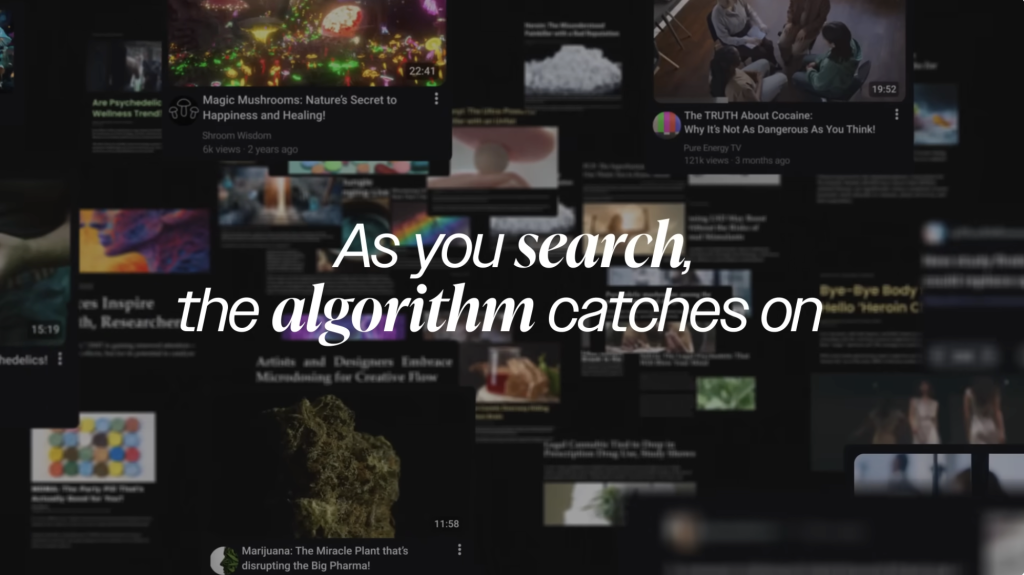
    searches from algorithm
    (Photo taken from Be Uninfluenced TVC)

    The thing is, algorithms can only analyse our digital behaviour, not our intentions. A ‘like’ could be from a slip of finger. Sharing a video about drug abuse could be from shock, not because we resonate with it.

    Here’s the kicker: algorithms will show similar content regardless of how we feel about it, just so we keep scrolling. This is how we become trapped in echo chambers. It’s hard to break out of these loops and because we naturally look to our peers for social cues on what’s normal, acceptable or even cool especially in our teens and twenties, it’s easy to overestimate how common certain behaviours are.

    Imagine if a new challenge involving drug abuse were to emerge.

    A Quick Guide to Smart Scrolling

    While we can’t change how algorithms work, understanding their influence is key. To navigate these influences, consider these three tips:

    1. Question what seems ‘normal’: Think critically about trends – ask ourselves if these are actually common, or are we just seeing such content repeatedly because the algorithm thinks we’re interested?
    2. Diversify our digital diet: Explore new topics intentionally. By searching for diverse perspectives, we can break repetitive cycles and signal to algorithms to show broader ranges of content.
    3. Understand the marketing strategies of companies: Be aware of content that makes risky behaviours look exciting, consequence-free, or socially rewarding. See through tactics that falsely glamourise vices like drug abuse. 6

    These three tips can help us tell the difference between what’s genuinely valuable and what’s just trying to grab our attention. Think of it as mental self-defense: spotting subtle manipulation, resisting the pressure to conform and making conscious choices about what we watch, like, or share. Social media algorithms are designed to capture and hold our attention, but they don’t have to control our perceptions of reality. By questioning what we see, we transform from passive consumers into active curators of our own experience.

    The outcome? We make sure social media works for us, not the other way around.

    Reference articles:
    1“Soft” Drugs? There’s No Such Thing. MHA.
    2Brace yourselves, the Ice Bucket Challenge is back, The Guardian.
    3What is Subway Surfing, the Shocking Deadly TikTok Trend? Teens risk lives for viral videos. Here’s what it is exactly and has anyone lost life by indulging in risky behaviour, The Economic Times.
    4Teens are daring each other to eat Tide pods. We don’t need to tell you that’s a bad idea. The Washington Post.
    5Why would anyone take the A4 skinny waist challenge? BBC.
    6Rebranding Drugs: The Power of Cultural Influence. CNB.
  • Love, Loyalty, and Limits: Would You Date Someone Who Abuses Drugs?

    Love, Loyalty, and Limits: Would You Date Someone Who Abuses Drugs?

    [TLDR: We all want to care for the people we love – but when drugs enter the picture, things get complicated. Loving someone who abuses drugs, or supporting a friend in that situation, can blur into enabling. From emotional strain to legal risks, their choices can affect both them and us. That’s why honest boundaries, checking in with friends or professionals, and  standing firm against habits that can cause harm matter. Supporting someone doesn’t mean excusing drug abuse, it means caring in a way that protects everyone involved.]

    couple
    (Photo taken by cottonbro studio on Pexels)

    In our latest episode with SGAG, we hit the streets of Singapore to ask: “Would you date someone who abuses drugs?” The answers were a mix of firm “no”s and thoughtful “it depends”s. Some drew a clear line and said no, pointing to personal boundaries. Others hesitated, saying things like, “It depends on their personality,” or “I would, but it could come to a point where I wouldn’t if there are repetitive bad habits”.

    The mix of answers says a lot. It shows how complicated relationships alongside the decisions around drugs can be. Love, loyalty, and concern often collide with our personal values and limits. It also reveals what we all, at the back of our minds know – that it’s tough getting a person off drugs once addicted.

    Why Boundaries Can Be Hard to Draw

    hand
    (Photo taken by Ron Lach on Pexels)

    We live in a generation that values empathy and inclusivity. We want to understand, not judge. We try to see the good in people and give them second chances. But sometimes, that very empathy makes it harder to say no even when we know we should. We might tell ourselves, “They just see things differently,” or “I can help them change.”

    Some of us may also hold on to the “love can save” belief — thinking that if we care enough, we can pull someone out of bad habits. But love, on its own, isn’t always enough. Without boundaries, what starts as care can slowly turn into covering up, excusing, or enabling harmful behaviour.

    And it’s not just personal feelings that make things complicated. The world around us shapes how we think too. With global media portraying certain drug abuse as casual or “normal”, it’s easy to internalise more liberal views and start seeing drug abuse as “not that bad”.

    But here in Singapore, we have supported clear laws for a reason – to protect lives and communities. Recognising these influences helps us make grounded choices that keep both compassion and safety in balance.

    The Ripple Effect: When One Person’s Choices Affect Many

    Drug abuse doesn’t only affect the person taking drugs – it ripples through partners, friends, and even families. We might notice shifts in routines, school or work performance, or mood. Emotional stress can build up, and sometimes there’s pressure to participate or cover up risky behaviour.

    If a friend is dating someone who abuses drugs, checking in can make a real difference. Even a simple “Hey, are you okay?” can open the door for an honest talk that’s desperately needed, or the nudge to seek help. Supporting someone doesn’t mean solving their problems alone. It means being present, listening, and helping them connect to the right resources. Whether it’s about us personally or someone we care about, knowing when to help and when to step back matters.

    Safe Boundaries vs. Risky Blind Spots

    It’s natural to want to help the people we love but there’s a difference between supporting safely and enabling harm. Safe boundaries mean encouraging a friend or ourselves to seek professional help, checking our own limits, and recognising when someone’s choices could put others at risk.

    Risky blind spots happen when we excuse or cover up dangerous behaviour, feel pressured to join, or ignore our instincts because of loyalty or empathy. In those moments, we’re accepting harm or disregarding personal and social boundaries in the name of care.

    Setting boundaries and standing by them isn’t always easy, but it’s essential. Boundaries help us protect ourselves and allow us to care in a way that is responsible and sustainable.

    How We Can Help a Friend or Ourselves Safely

    When we or someone we care about is in this situation, we can still act responsibly without putting ourselves in harm’s way. Checking in regularly, asking open questions, and noticing changes in behaviour or mood can help us respond with empathy and awareness.

    If things seem serious, it’s important to know our limits and encourage professional support. Because supporting someone doesn’t mean carrying all their weight. It’s okay to reach out for help, from friends, counsellors or community organisations, for example:

    • National Addictions Management Service (NAMS) at the Institute of Mental Health offers inpatient detox, outpatient care, and family programmes that help individuals and loved ones work through recovery together.
    • The Singapore Anti-Narcotics Association (SANA) supports persons-in-recovery and their families through aftercare and reintegration services — including case management and Step-Up Centres that help rebuild routines and social connections after rehabilitation or release from programmes with the Central Narcotics Bureau (CNB) or Singapore Prison Service.
    • WE CARE Community Services provides counselling, recovery support, and workshops for both individuals and families navigating addiction and its ripple effects.

    Reflection Time

    It’s a privilege if we’ve never had to deal with the effects of drugs in our lives. But one day, we might find ourselves in a situation where it hits closer to home – dating someone who abuses drugs, or supporting a friend who’s struggling. Would we “shoot our shot,” or would we know where to draw the line?

    Love and care are important, just as protecting ourselves and others is a priority. Reaching out when we’re unsure and supporting friends responsibly are ways we can show love without putting others at risk.

  • The Fine Line Between Open-Mindedness and Misguided Drug Views

    The Fine Line Between Open-Mindedness and Misguided Drug Views

    [TLDR: Being open-minded shows curiosity and acceptance. But wanting to fit in can blur boundaries and make us say yes to things we normally wouldn’t even entertain the thought of including harmful choices like drug abuse. Saying no to friends is tough, but true open-mindedness is about listening and reflecting, not about blindly following.]

    open sign
    (Photo taken by Pratik Gupta on Pexels)

    Open-mindedness: Gen Z’s Unexamined Virtue

    For many Gen Zs, being open-minded isn’t just a good trait — it’s almost a badge of honour. It signals curiosity, acceptance, and a willingness to explore new ideas. Saying “I’m open-minded” often earns approving nods because it shows that we’re progressive, accepting, and not quick to judge.

    It’s easy to see why. In WeKayPoh’s conversations with youths, they were quick to admit that they were open-minded. From trying new foods to spontaneous adventures like bungee jumping, it’s seen as a gateway to growth, discovery, and connection. 1 In a generation that values diversity and individuality, open-mindedness feels like the key to understanding others and the world around us.

    The Social Pull of being Open-minded

    running
    (Photo taken by Paulina Bermudez Castellanos on Pexels)

    For many youths, being open-minded can also feel like a shortcut to belonging. It helps us blend in, prove we’re not uptight, and find common ground with others  – especially for youths figuring out their identity, it can be tempting to prove we’re not the odd one out in a group.

    It doesn’t help that our digital culture reinforces this. We’re often surrounded by memes, soundbites, and influencers championing “good vibes only” and “don’t knock it ‘til you try it.” Offline, friends joke about “never say never,” and saying no can make us seem boring or closed off. Over time, the pressure to appear easy going and accepting can blur the line between genuine curiosity and just saying yes to fit in.

    When Curiosity Turns Risky

    That’s when not having the right understanding of what is true open-mindedness slips into risky territory — especially around issues like drug abuse. What starts as curiosity or wanting to keep up with friends can quickly turn into ignoring red flags. The intention might be to stay open to new experiences, but without discernment, we risk letting peer pressure override our instincts.

    Just like the youths in WeKayPoh’s video shared, the pros of “open-mindedness” don’t quite apply when it comes to drugs, and it is important for us to stand our ground against drug abuse. 1

    Blind Spots in the Narrative

    Here’s what often gets missed: the very idea of being “open-minded” can sometimes close our minds in subtle ways. When applied to drug abuse, this can manifest as a reluctance to question peer narratives, an eagerness to dismiss risks, or a feeling of obligation to try anything once.

    • “Just once won’t hurt” can make us doubt what we already know
    • “It’s just for fun” minimises risks and makes harmful choices seem trivial
    • “Don’t be the odd one out” banks on our fear of exclusion to undermine our instincts

    In another article, we highlight three common lies people tell themselves about drugs – that drug abuse is acceptable in moderation, that it is a personal choice and that it is not harmful because it is legalised overseas. All three lies lean on the twisted idea of open-mindedness by downplaying the dangers of drug abuse.2

    Redefining Openness: Empathy with Boundaries

    Let’s be real, most of us already know the costs of drug abuse – the legal trouble, health risks, broken trust, the struggle with withdrawal symptoms. Many youths in Singapore are aware, just as we see in WeKayPoh’s street interview.1

    The true challenge here is to recognise that openness isn’t about giving every idea a free pass, it’s about considering all realities critically and applying discernment.3 We can listen, empathise and understand why some are more vulnerable to drug abuse, while staying rooted in your personal values that protect ourselves and our loved ones. The next time you feel nudged to be “open-minded,” ask yourself: am I being curious, or am I ignoring my instincts just to blend in?

    Reference articles:
    1Would you consider yourself to be open-minded? by WeKayPoh
    2The Unfiltered Truth on Drugs: 3 Lies About Drug Abuse
    3How I fell into The Trap of Being “Open-Minded” by ribbit.fyi